El Nido sits at the northern tip of mainland Palawan. Here is every way to get here, how long each one takes, and how Anang can handle the ride for you.
WAYS TO GET HERE
Four routes to paradise
Most travelers either fly straight to El Nido or fly to Puerto Princesa and continue by road. Pick the one that fits your budget and schedule.
Fastest
Fly direct to El Nido
About 1 hour 15 minutes from Clark
AirSWIFT flies small turboprop planes to El Nido’s Lio Airport, mainly from Clark and Cebu. Lio is only about 15 to 20 minutes from town.
Best for short trips and less travel time
Fewer seats, so book early in peak season
Stricter baggage limits on smaller planes
Most popular
Fly to Puerto Princesa + van
About 1 hour flight + 5 to 6 hours by road
Puerto Princesa has the most flights and usually the lowest fares, with daily trips from Manila, Clark, Cebu and other cities. From the airport, a van takes you north to El Nido.
Public buses leave from the San Jose terminal in Puerto Princesa throughout the day. It is the cheapest way north, with more stops along the route than a van.
Best for backpackers with time to spare
Take a tricycle from the airport to the terminal
Arrive in El Nido town, then get a ride to your hotel
Most scenic
Ferry from Coron
About 4 to 5 hours by fast ferry
Coming from Coron? Fast ferries cross the sea between the two islands, passing small islands on the way. It is the natural link if you are visiting both.
Best for a Coron and El Nido combo trip
Trips can be cancelled when the sea is rough
Anang can book your ferry to or from Coron
Travel times are typical and can change with weather, season and airline schedules. Always check the latest flight and ferry times before you book.
ANANG VAN TRANSFERS
Skip the terminal. We’ll pick you up.
The long drive from Puerto Princesa is easier when someone else handles it. Anang’s drivers meet you at the airport or your hotel and bring you straight to your door in El Nido.
✓ Airport or hotel pickup, hotel drop-off
✓ Air-conditioned vans with licensed drivers
✓ Shared seat or a whole private van, on every route
✓ Room for your luggage and a comfort stop on the way
Puerto Princesa ↔ El Nido Private van or shared seat · 5 to 6 hrs₱7,000 to ₱8,000 / van₱800 / person shared
Puerto Princesa ↔ Balabac Private van or shared seat₱7,000 to ₱8,000 / van₱800 / person shared
El Nido ↔ Port Barton Shared seat or private van · about 3 hrs₱7,000 / van₱800 / person shared
Lio Airport ↔ El Nido town Private van · 15 to 20 min₱1,200 / van
Private van rates are for the whole vehicle and depend on the van and number of seats. Shared seats are priced per person. Send your flight details and number of passengers, and Anang will confirm your pickup time.
Arriving in El Nido from Puerto Princesa? Take a tricycle to your hotel, about ₱100 to ₱150 depending on where you stay.
Going back? Anang can arrange hotel pickup for your return trip. Anang confirms the details when you book.
TRAVEL TIPS
Good to know before you go
Book early for December to May
The dry season is peak season. Flights to El Nido and good vans fill up fast, so reserve a few weeks ahead.
Leave a buffer day
Weather can delay boats and flights. Avoid booking your international flight home on the same day you leave El Nido.
Bring some cash
Many small shops, tricycles and island stops take cash only, and ATMs in town can run low on busy days.
Environmental fee is separate
Tour rates do not include the environmental fee (except Balabac packages). You pay it separately on the day, and it helps protect El Nido’s islands and reefs.
HISTORY OF EL NIDO
From Bacuit to El Nido
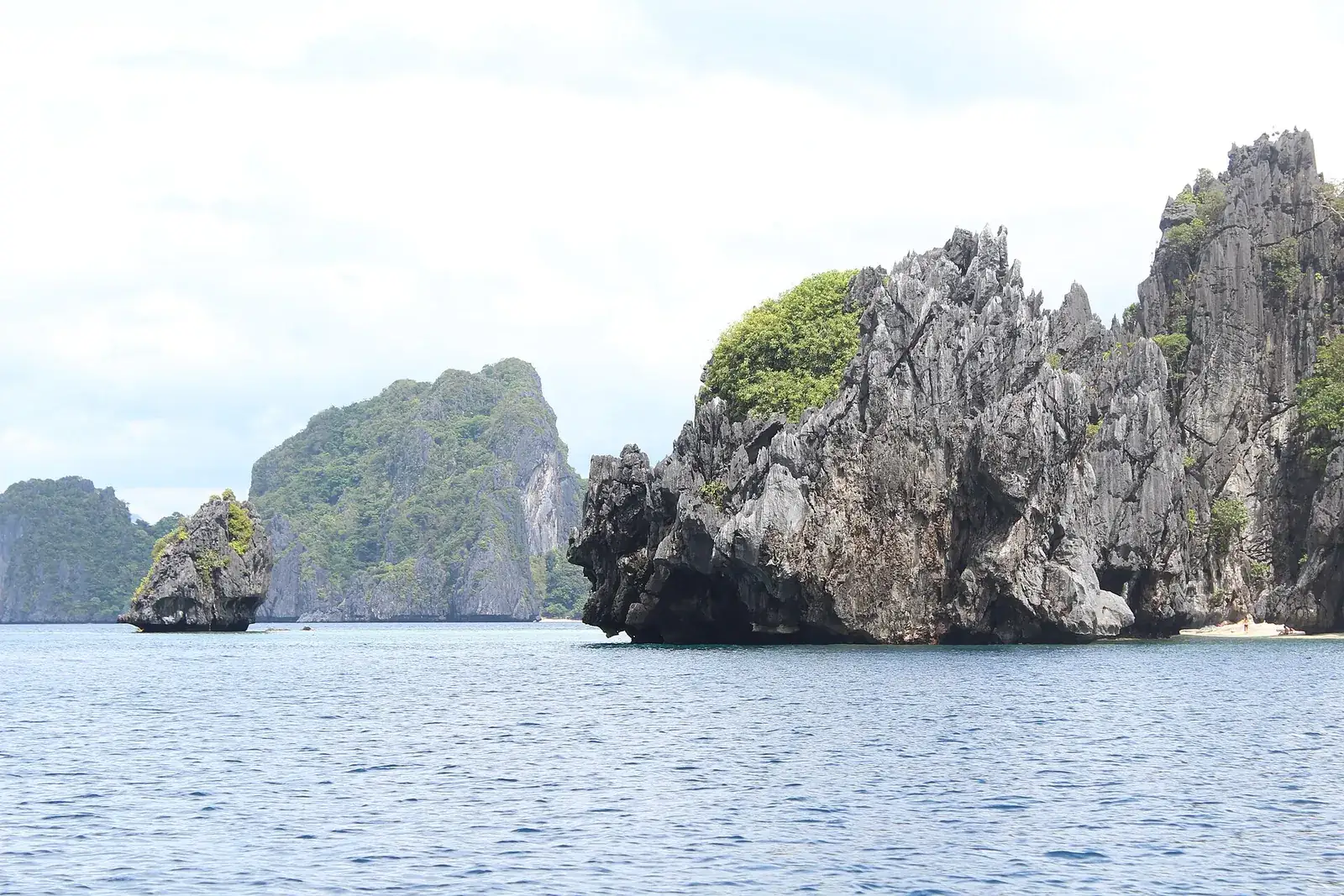
Long before the island tours, El Nido was a quiet fishing community known for something hidden high in its cliffs: the nests of tiny swiftlets. That is where its name comes from. Nido means “nest” in Spanish.
The limestone cliffs where balinsasayaw swiftlets build the edible nests El Nido is named after.
Thousands of years ago
Early people in the caves
Archaeologists have found signs of early human life in the caves of Dewil Valley, including Ille Cave, making the area one of the oldest known settlements in Palawan.
The first communities
The Tagbanua
The indigenous Tagbanua people lived along the coast and in the interior, fishing and farming long before outsiders arrived. Over the years, settlers from the Cuyo Islands joined them.
Around 1890
Traders arrive
Chinese families settled in the area, drawn partly by the trade in edible bird’s nests, prized across Asia for soup.
1916
The town of Bacuit
The settlement became its own municipality, named Bacuit after the bay that is now famous around the world.
1954
A new name: El Nido
Bacuit was officially renamed El Nido, after the swiftlet nests harvested from its limestone cliffs.
1984 to 1998
Protecting paradise
The area was declared a turtle sanctuary, then a marine reserve, and in 1998 a protected area covering the islands and waters of Bacuit Bay.
Today
A world-class destination
El Nido welcomes visitors from all over the world, while local rules on boats, fees and visitor numbers help keep its lagoons and reefs beautiful.
Let Anang plan the whole trip
Van transfer, place to stay and island tours, all in one booking with a local, DOT accredited team.